
The problem and why it matters
Excessive torque, the wrong driver, damaged threads or a non-original screw can move joint preload outside its intended range.
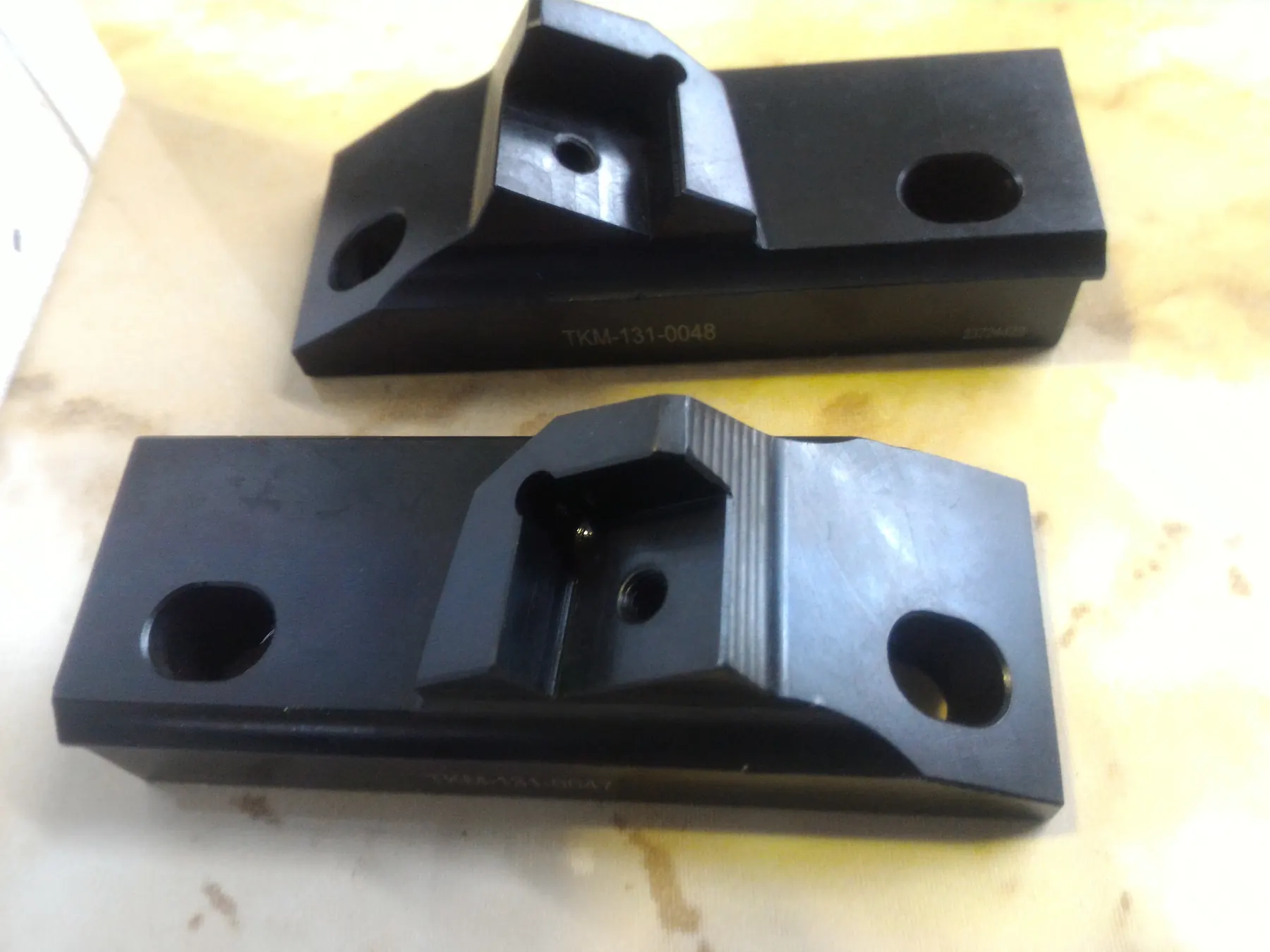
If the pocket and support faces do not react the cutting load, the screw is forced to carry lateral and impact loads instead of merely clamping the insert.
Selection and design logic
After a failure, do not replace only the screw. Inspect the pocket, thread, contact surfaces, contamination, tightening method and wear pattern together.
The screw’s main function is to generate clamping force and keep the insert against its reference surfaces. If the insert does not seat fully or cutting force lifts it from support, the screw experiences alternating bending and shear that it is not normally designed to carry continuously.
Implementation details and controllable errors
Incorrect screw length or strength class, unintended thread lubrication, a worn key and uncontrolled torque can create too much or too little preload. The threaded hole must be chip-free, and a damaged or stretched screw should not be reused.
Evaluation and conclusion
Root-cause inspection covers the fracture surface, thread condition, evidence of insert movement and pocket contact. After correcting the cause, tighten to the recommended torque and test under controlled load; repeatedly replacing screws without correcting support or loading only repeats the failure.