
The problem and why it matters
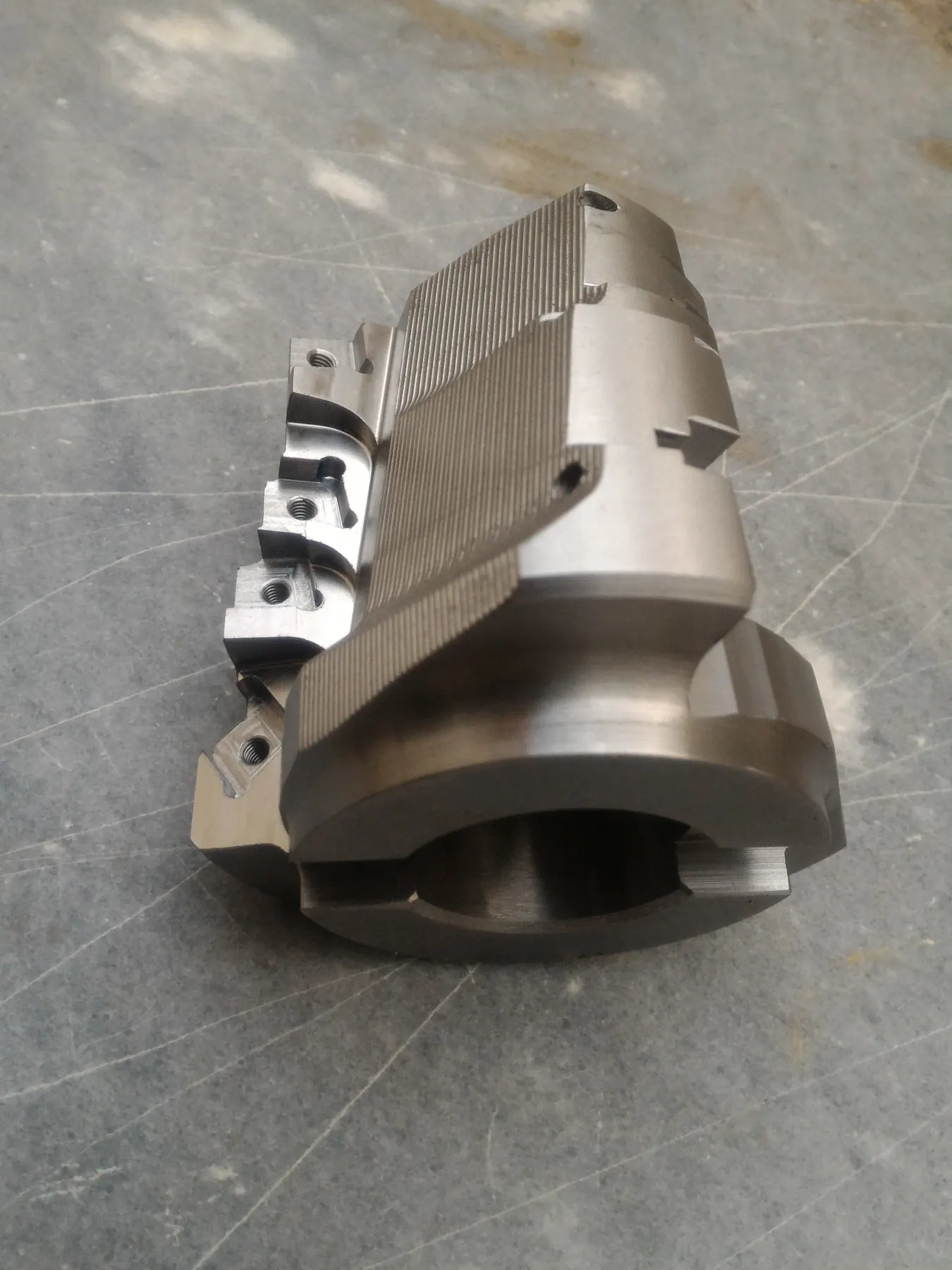
A combination tool performs multiple operations or features in one assembly. A multi-stage tool usually organizes cutting edges at successive axial or radial levels.
Potential benefits include fewer tool changes and setup errors, but machine power, chip concentration, adjustability and failure cost must be controlled.
Selection and design logic
Architecture should begin with the real operation sequence and the component tolerance chain, not with a desire to combine the maximum possible number of edges.
A combination tool may unite different operations such as drilling and chamfering. In a multi-stage tool, successive diameters or faces are commonly arranged along the axis, making engagement order central to the design.
Implementation details and controllable errors
Integration is valuable when it reduces change time, offsets or coaxiality error. If one consumable edge stops the entire tool, or adjusting one stage disturbs another, maintenance cost can erase the cycle-time benefit.
Evaluation and conclusion
Before design, map the operation sequence, simultaneous torque and power, chip volume and access for replacing every insert. The right architecture is not the one with the fewest operations; it is the one that provides stable production, clear adjustment and economical repair.